

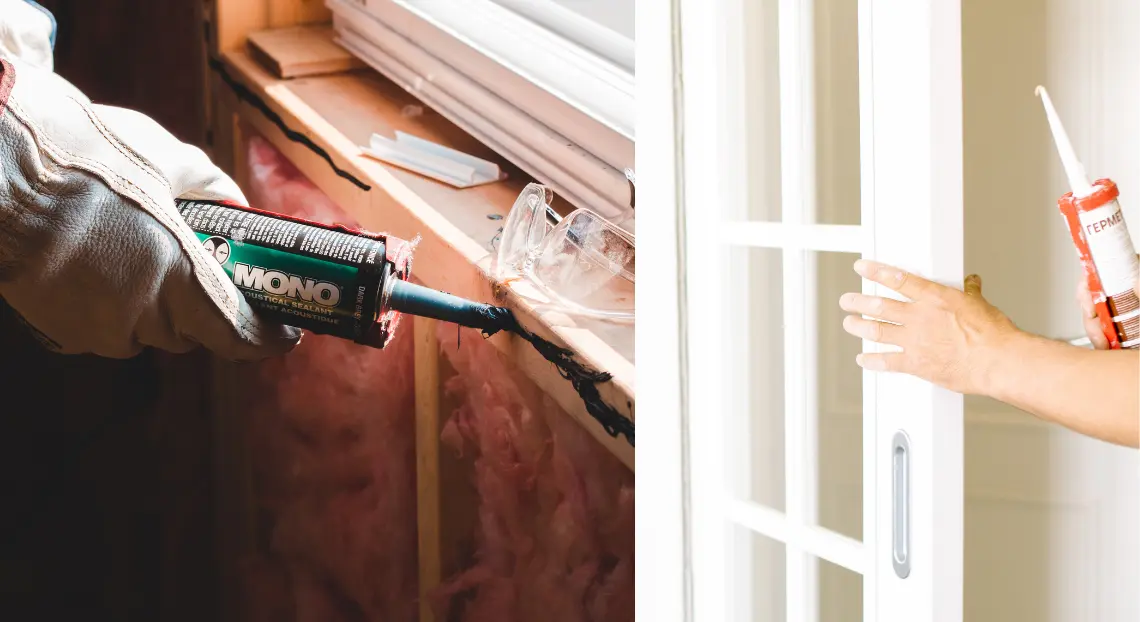
Silane Modified Polymer vs Silicone: Quick Overview
Silane modified polymer (SMP) and silicone are two of the most widely used sealing and bonding materials in construction, automotive, marine, and industrial applications. Both materials offer flexibility, durability, and weather resistance, but they perform differently depending on the environment and application requirements.
Silane modified polymer is a hybrid technology that combines the strength of polyurethane-type adhesives with the weather resistance of silicone. It is commonly used when strong adhesion, paintability, and versatility are important.
Silicone is a synthetic polymer known for its excellent flexibility, UV resistance, and ability to withstand extreme temperatures. It has been used for decades in glazing, weather sealing, electronics, and high-temperature applications.
Because both materials are used for sealing and bonding, many buyers, contractors, and manufacturers compare them before choosing the right product. Understanding their differences can help prevent performance issues and reduce maintenance costs.
Silane Modified Polymer vs Silicone: Key Differences
The biggest difference between silane modified polymer and silicone is the balance between adhesion and environmental resistance. Silane modified polymer generally provides stronger adhesion to a wider range of materials and can usually be painted after curing. Silicone is known for superior UV resistance, weather resistance, and temperature stability.
While both products create flexible seals, their performance varies depending on exposure to sunlight, moisture, temperature fluctuations, chemicals, and surface materials.
Silane Modified Polymer vs Silicone: Chemical Composition Comparison
How Silane Modified Polymer Is Made?
Silane modified polymer is created by combining polymer chains with silane groups. This hybrid structure allows the material to cure through moisture exposure while maintaining flexibility and strong adhesion.
The technology was developed to overcome some of the limitations associated with traditional polyurethane and silicone products. The result is a sealant and adhesive that performs well across various substrates without requiring extensive surface preparation.
How Silicone Is Made?
Silicone is made from silicon, oxygen, carbon, and hydrogen. Its backbone consists of alternating silicon and oxygen atoms, creating a highly stable molecular structure.
This structure gives silicone exceptional resistance to weathering, UV radiation, moisture, and temperature extremes. These properties make silicone suitable for long-term outdoor applications.
How Chemical Structure Affects Performance?
The chemical structure directly influences performance. Silane modified polymer is designed to maximize bonding strength and substrate compatibility. Silicone is designed to maximize environmental resistance and flexibility.
As a result, SMP is often selected when adhesion is the priority, while silicone is chosen when weather resistance and temperature performance are critical.
Silane Modified Polymer vs Silicone: Adhesion Strength Comparison
Silane Modified Polymer Adhesion Performance
Silane modified polymer is widely recognized for its strong adhesion to a variety of surfaces. It bonds effectively to metals, concrete, wood, plastics, glass, ceramics, and composite materials.
In many cases, SMP products can achieve strong bonding without the need for primers. This simplifies installation and reduces project costs.
Silicone Adhesion Performance
Silicone also offers good adhesion, especially on glass, aluminum, ceramics, and smooth surfaces. However, certain materials may require primers to achieve optimal performance.
Silicone’s adhesion strength is generally lower than that of high-quality silane modified polymer adhesives.
Which Material Provides Better Bonding?
For projects where bonding strength is the primary requirement, silane modified polymer is usually the better option. Its ability to adhere to multiple substrates without primers makes it a preferred choice for construction and industrial applications.
Silane Modified Polymer vs Silicone: Flexibility and Movement Capability Comparison
Flexibility of Silane Modified Polymer
Silane modified polymer remains flexible after curing and can accommodate joint movement caused by vibration, expansion, and contraction.
This flexibility helps prevent cracking and seal failure in dynamic environments.
Flexibility of Silicone
Silicone is known for exceptional elasticity. It can withstand significant movement without losing its sealing properties.
Many silicone sealants maintain flexibility for years even when exposed to harsh outdoor conditions.
Which Handles Joint Movement Better?
Silicone generally performs better in applications involving continuous movement and expansion. Its superior elasticity allows it to accommodate larger movement ranges compared to most SMP products.
Silane Modified Polymer vs Silicone: Weather Resistance Comparison
Silane Modified Polymer Performance in Outdoor Conditions
Silane modified polymer offers strong resistance to rain, humidity, and general outdoor exposure. It performs well in many exterior construction applications.
Modern SMP formulations are designed to withstand seasonal weather changes while maintaining adhesion and flexibility.
Silicone Performance in Outdoor Conditions
Silicone is considered one of the most weather-resistant sealing materials available. It performs exceptionally well under prolonged exposure to sunlight, rain, snow, and temperature fluctuations.
Its long-term outdoor durability has made it a standard choice for building facades and glazing systems.
Which Material Lasts Longer Outdoors?
For long-term outdoor exposure, silicone generally has the advantage. Its resistance to environmental degradation allows it to maintain performance for extended periods.
Silane Modified Polymer vs Silicone: UV Resistance Comparison
UV Resistance of Silane Modified Polymer
Silane modified polymer offers good UV resistance and can withstand normal outdoor conditions. However, prolonged exposure to intense sunlight may gradually affect appearance and performance over time.
UV Resistance of Silicone
Silicone is highly resistant to ultraviolet radiation. It retains flexibility, color stability, and performance even after years of sun exposure.
Best Choice for Sun-Exposed Applications
When UV resistance is the primary concern, silicone is usually the preferred choice. Its long-term performance under direct sunlight remains one of its strongest advantages.
Silane Modified Polymer vs Silicone: Water and Moisture Resistance Comparison
Silane Modified Polymer Resistance to Water
Silane modified polymer performs well in wet environments and creates durable waterproof seals. It is commonly used in construction joints, roofing systems, and marine applications.
Silicone Resistance to Water
Silicone is naturally water resistant and maintains its sealing properties under continuous moisture exposure. It is frequently used in bathrooms, kitchens, aquariums, and exterior building applications.
Which Performs Better in Wet Environments?
Both materials perform well in wet conditions. However, silicone generally offers superior long-term moisture resistance, especially in constantly wet environments.
Silane Modified Polymer vs Silicone: Paintability Comparison
Can Silane Modified Polymer Be Painted?
One of the major advantages of silane modified polymer is paintability. Most SMP products can be painted after curing, allowing the sealant to blend with surrounding surfaces.
This feature is particularly valuable in architectural and decorative projects.
Can Silicone Be Painted?
Most standard silicone sealants cannot be painted successfully. Paint tends to peel, crack, or fail to adhere properly to cured silicone surfaces.
Which Is Better for Paintable Joints and Seams?
Silane modified polymer is clearly the better choice when painting is required. Its compatibility with paints provides greater design flexibility.
Silane Modified Polymer vs Silicone: Surface Compatibility Comparison
Materials Compatible with Silane Modified Polymer
Silane modified polymer adheres well to concrete, metal, wood, glass, stone, fiberglass, plastics, and many composite materials.
Its broad compatibility reduces the need for multiple products on a project.
Materials Compatible with Silicone
Silicone performs particularly well on glass, ceramics, aluminum, and other smooth surfaces. Some substrates may require primers to achieve optimal bonding.
Which Works on More Substrates?
Silane modified polymer generally offers broader substrate compatibility. This versatility makes it suitable for a wider range of applications.
Silane Modified Polymer vs Silicone: Temperature Resistance Comparison
Silane Modified Polymer Temperature Performance
Silane modified polymer performs well across a wide temperature range. It remains flexible and durable under normal environmental conditions.
However, extremely high temperatures can eventually affect its performance.
Silicone Temperature Performance
Silicone is widely known for its ability to withstand both high and low temperatures. It remains flexible even in freezing conditions and continues performing under significant heat exposure.
Which Handles Extreme Temperatures Better?
Silicone is the better choice for applications involving extreme temperatures. Its thermal stability exceeds that of most silane modified polymer products.
Silane Modified Polymer vs Silicone: Chemical Resistance Comparison
Chemical Resistance of Silane Modified Polymer
Silane modified polymer offers good resistance to many chemicals, cleaning agents, and environmental contaminants.
Its performance makes it suitable for industrial and commercial environments.
Chemical Resistance of Silicone
Silicone also provides strong resistance to many chemicals and environmental factors. Certain specialized silicone formulations are designed specifically for demanding industrial applications.
Which Performs Better in Industrial Environments?
The answer depends on the chemicals involved. In many general industrial environments, both materials perform well. Application-specific testing is often necessary when exposure to aggressive chemicals is expected.
Silane Modified Polymer vs Silicone: Durability and Service Life Comparison
Expected Lifespan of Silane Modified Polymer
High-quality silane modified polymer products can provide many years of reliable service when properly installed.
Their combination of adhesion, flexibility, and weather resistance contributes to long-term durability.
Expected Lifespan of Silicone
Silicone is known for its exceptional longevity. Many silicone sealants remain functional for decades in outdoor applications.
Long-Term Performance Comparison
Silicone typically offers a longer service life in harsh outdoor environments. Silane modified polymer remains highly durable but may not match silicone’s long-term weathering performance.
Silane Modified Polymer vs Silicone: Application and Curing Comparison
Application Characteristics of Silane Modified Polymer
Silane modified polymer is easy to apply and generally offers smooth tooling characteristics. It cures through moisture exposure and develops strong adhesion over time.
Many users appreciate its low shrinkage and ease of use.
Application Characteristics of Silicone
Silicone is also easy to apply and cures through moisture exposure. It forms a flexible rubber-like seal after curing.
Its long history in the market means installers are familiar with its handling characteristics.
Which Is Easier to Apply?
Both materials are relatively easy to apply. The choice often depends on project requirements rather than application difficulty.
Silane Modified Polymer vs Silicone: Environmental and Safety Comparison
VOC Emissions and Environmental Impact
Many silane modified polymer products are formulated with low VOC content and are designed to meet modern environmental standards.
Silicone products can also be produced with low VOC formulations depending on the manufacturer and application.
Safety During Application and Use
Both materials are generally safe when used according to manufacturer recommendations. Proper ventilation and standard safety practices should always be followed during installation.
Which Is More Environmentally Friendly?
Many modern SMP products are marketed as environmentally friendly alternatives due to their low VOC content and solvent-free formulations. However, environmental impact varies by product and manufacturer.
Silane Modified Polymer vs Silicone: Cost Comparison
Initial Material Cost
Pricing varies depending on formulation, brand, and application. In many markets, standard silicone sealants are competitively priced, while specialized SMP products may carry a slightly higher upfront cost.
Installation and Maintenance Cost
Silane modified polymer can reduce installation costs due to strong adhesion and reduced primer requirements.
Long-term maintenance requirements depend on environmental exposure and application conditions.
Long-Term Value Comparison
The best value depends on project needs. If paintability and adhesion are important, SMP often provides better value. If extreme weather resistance is required, silicone may deliver greater long-term returns.
Silane Modified Polymer vs Silicone: Common Applications Comparison
Construction Applications
Both materials are widely used in construction. Silane modified polymer is often selected for structural bonding and paintable joints. Silicone is commonly used for glazing and exterior weather sealing.
Automotive Applications
Silane modified polymer is frequently used in vehicle assembly because of its bonding strength and vibration resistance. Silicone is used in areas exposed to high temperatures.
Marine Applications
Both materials are used in marine environments. Silane modified polymer is often chosen for bonding applications, while silicone is used where moisture resistance is critical.
Industrial Applications
Industrial users select both materials depending on operating conditions, substrate types, and environmental exposure.
Electronics Applications
Silicone is widely used in electronics due to its excellent temperature resistance and electrical insulation properties.
Advantages and Limitations of Silane Modified Polymer
Main Advantages
Silane modified polymer offers excellent adhesion, broad substrate compatibility, paintability, flexibility, and low VOC formulations. It can often bond surfaces without primers and performs well in both sealing and bonding applications.
Main Limitations
Its UV resistance and temperature resistance, while good, generally do not match the performance levels achieved by silicone in extreme environments.
Advantages and Limitations of Silicone
Main Advantages
Silicone provides exceptional UV resistance, weather resistance, moisture resistance, flexibility, and temperature stability. It is one of the most durable sealing materials available for outdoor applications.
Main Limitations
The primary limitations include poor paintability and lower adhesion strength on some substrates compared to silane modified polymer.
When to Choose Silane Modified Polymer?
Projects Where SMP Is the Better Option
Silane modified polymer is often the better choice when strong bonding is required across multiple substrates. It is also preferred when the finished surface needs to be painted.
Industries That Commonly Use SMP
Construction, transportation, manufacturing, renewable energy, and marine industries commonly use SMP products for bonding and sealing applications.
When to Choose Silicone?
Projects Where Silicone Is the Better Option
Silicone is often the better choice when long-term weather resistance, UV stability, and temperature resistance are critical.
Industries That Commonly Use Silicone
Construction, glazing, electronics, HVAC, automotive, and industrial sectors rely heavily on silicone technology.
Silane Modified Polymer vs Silicone: Side-by-Side Performance Comparison
| Performance Factor | Silane Modified Polymer | Silicone | Better Choice |
| Adhesion Strength | Excellent | Good | Silane Modified Polymer |
| Paintability | Yes | Usually No | Silane Modified Polymer |
| UV Resistance | Good | Excellent | Silicone |
| Weather Resistance | Very Good | Excellent | Silicone |
| Temperature Resistance | Good | Excellent | Silicone |
| Surface Compatibility | Excellent | Good | Silane Modified Polymer |
| Flexibility | Very Good | Excellent | Silicone |
| Waterproofing | Very Good | Excellent | Silicone |
| Outdoor Durability | Very Good | Excellent | Silicone |
| Overall Versatility | Excellent | Very Good | Silane Modified Polymer |
Which Is Better: Silane Modified Polymer or Silicone?
Best for Construction Projects
Silane modified polymer is often preferred when strong adhesion and paintability are required.
Best for Automotive Applications
Silane modified polymer is commonly selected for structural bonding, while silicone is used in high-temperature areas.
Best for Marine Applications
Both materials perform well, but the final choice depends on whether bonding strength or long-term environmental resistance is the primary concern.
Best for High-Temperature Environments
Silicone is the clear winner for applications involving continuous exposure to high temperatures.
Best for Paintable Applications
Silane modified polymer is the better option because it accepts paint after curing.
Best Overall Choice
There is no single winner for every application. Silane modified polymer is generally the better choice for strong adhesion, paintability, and versatility. Silicone is usually the better choice for UV resistance, weather resistance, moisture resistance, and extreme temperature performance.
Frequently Asked Questions
Is silane modified polymer better than silicone?
It depends on the application. SMP is better for adhesion and paintability, while silicone is better for UV and temperature resistance.
What is the difference between SMP and silicone sealants?
SMP offers stronger adhesion and paintability, whereas silicone provides superior weather and temperature resistance.
Can silane modified polymer replace silicone?
In many applications it can, but silicone remains the preferred option for extreme weather and high-temperature environments.
Is silane modified polymer paintable?
Yes, most silane modified polymer sealants can be painted after curing.
Which lasts longer, silicone or silane modified polymer?
Silicone generally lasts longer in outdoor environments exposed to UV radiation and weather.
Which has better adhesion, silicone or SMP?
SMP typically provides stronger adhesion across a wider range of substrates.
Is silicone waterproof?
Yes, silicone is highly waterproof and performs well in wet environments.
Is silane modified polymer waterproof?
Yes, silane modified polymer creates durable waterproof seals.
Which is better for outdoor applications?
Silicone is usually the better choice for long-term outdoor exposure.
Which is better for construction and building joints?
The answer depends on project requirements. SMP is preferred for paintable joints and strong bonding, while silicone is preferred for weather sealing and UV resistance.
Conclusion
The comparison between silane modified polymer and silicone comes down to project priorities. Silane modified polymer stands out for strong adhesion, paintability, substrate compatibility, and overall versatility. Silicone stands out for UV resistance, weather resistance, moisture resistance, flexibility, and temperature stability.
If your project requires a paintable sealant with excellent bonding performance, silane modified polymer is often the better choice. If long-term outdoor durability, sunlight exposure, or extreme temperatures are the main concerns, silicone remains the preferred solution.
Choosing the right material depends on the environment, substrate, performance requirements, and expected service life. Understanding these differences will help ensure better results and longer-lasting performance.